Navigating Tariffs, Taxes, and Compliance: A Financial Roadmap for Japanese-French Import Ventures Operating in the US
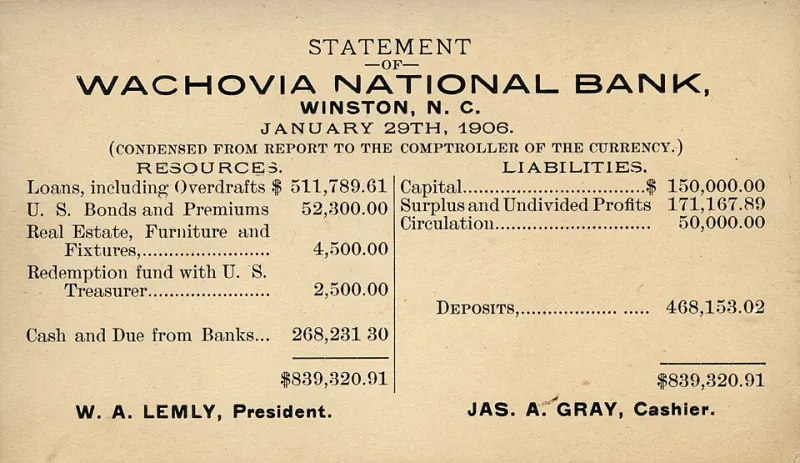
Photo: Wachovia National Bank, Winston, NC, Public domain, via Wikimedia Commons
Launching a binational venture that bridges Japanese business operations and French product sourcing within the American market is an ambitious undertaking. The commercial logic is sound — demand for French luxury goods, specialty foods, and premium wines remains robust across major US metropolitan areas, and Japanese management discipline offers a compelling operational framework for delivering those products efficiently and profitably. However, the regulatory environment in which these businesses must operate is layered, frequently changing, and unforgiving of poor planning.
This guide, prepared for the readership of Furansuya Directory, addresses the specific financial and compliance challenges that Japanese-French joint ventures encounter when importing goods through US ports of entry, structuring their domestic business entities, and managing cross-border tax obligations.
Understanding the US Tariff Landscape for French Imports
The starting point for any import-dependent business is a clear understanding of the Harmonized Tariff Schedule (HTS), the classification system that US Customs and Border Protection (CBP) uses to determine duty rates on imported goods. French exports entering the United States are subject to varying duty rates depending on product category, and the distinctions matter considerably at commercial volumes.
French wines imported into the US are generally subject to relatively modest duties — most still wines fall under HTS Chapter 22 at rates between zero and a few cents per liter, depending on alcoholic content and packaging. However, the picture becomes more complicated when luxury goods, specialty foods, and artisan products are involved. Certain categories of French cheese, charcuterie, and agricultural products face additional scrutiny due to US Food and Drug Administration (FDA) import regulations that operate independently of tariff classifications.
Businesses should also be aware of the potential for Section 301 tariffs, which have historically been applied to French goods in the context of ongoing trade disputes between the US and the European Union. These tariffs, when active, can add 25 percent or more to the landed cost of affected product categories, including certain wines, spirits, and luxury items. Monitoring the status of these measures through the Office of the United States Trade Representative (USTR) should be a standard component of any import-dependent company's compliance calendar.
For Japanese-origin goods flowing through the same business entity, the tariff environment reflects a separate set of bilateral trade relationships. Japan and the United States do not currently operate under a comprehensive free trade agreement, though the US-Japan Trade Agreement of 2020 reduced duties on a range of agricultural and industrial goods. Businesses importing from both France and Japan should maintain separate HTS classification libraries for each origin country and ensure that their customs broker is experienced in managing multi-origin import programs.
Entity Structure and Its Tax Implications
The legal structure through which a Japanese-French venture operates in the US has direct and significant tax consequences. The most common structures — C corporations, S corporations, limited liability companies (LLCs), and partnerships — each carry distinct implications for how income is taxed, how losses are treated, and how distributions to foreign owners are handled.
For binational ventures with Japanese parent entities or investors, the C corporation structure is frequently the most practical option, particularly when the business anticipates retaining earnings for reinvestment. The US corporate tax rate of 21 percent applies to domestic income, and the availability of deductions for ordinary business expenses — including import duties paid, freight costs, warehousing, and customs broker fees — can meaningfully reduce taxable income when properly documented.
However, businesses with Japanese parent companies must pay close attention to the provisions of the US-Japan Tax Treaty, which governs how income flows between the two countries and establishes withholding tax rates on dividends, royalties, and interest payments. The treaty generally provides reduced withholding rates for qualifying payments between treaty-resident entities, but the qualification requirements are specific and must be verified with qualified international tax counsel.
French investors or parent entities introduce a parallel set of treaty considerations governed by the US-France Tax Treaty. This agreement similarly addresses dividend withholding, branch profits taxes, and the treatment of permanent establishment income — all of which are directly relevant to ventures that maintain operational presence in both France and the United States.
Supply Chain Cost Management and Landed Cost Analysis
For import-dependent businesses, profitability is ultimately determined not by the purchase price of goods in France or Japan, but by the total landed cost — the fully loaded expense of getting a product from its point of origin to its point of sale in the US. A rigorous landed cost analysis must account for the following components: the ex-works or FOB price, international freight and insurance, customs duties, CBP processing fees, domestic freight from port to warehouse, warehousing costs, and any applicable state or local taxes on inventory.
Businesses that fail to model landed costs accurately before committing to pricing structures frequently find their margins compressed in ways that are difficult to recover from without renegotiating supplier contracts or adjusting retail pricing — both of which carry commercial risks. A practical safeguard is to build a landed cost model that is updated quarterly to reflect changes in freight rates, tariff classifications, and currency exchange rates between the US dollar, the euro, and the Japanese yen.
Currency management deserves particular attention. Businesses purchasing from French suppliers in euros and Japanese suppliers in yen while generating revenue in US dollars are exposed to three-way currency risk. Forward contracts and options available through major US commercial banks can hedge a portion of this exposure, and the cost of hedging should be incorporated into the landed cost model as a standard line item rather than treated as an exceptional expense.
Lesser-Known Tax Incentives Worth Examining
Several provisions of the US tax code offer meaningful benefits to import-oriented businesses that are frequently overlooked during the early stages of venture planning. The Foreign-Derived Intangible Income (FDII) deduction, for example, allows US C corporations to deduct a portion of income derived from serving foreign markets, effectively reducing the tax rate on qualifying export-related income. For ventures that both import French and Japanese goods and export domestically produced goods or services, this provision may be relevant.
Foreign Trade Zones (FTZs), designated areas authorized by the US government where customs duties are deferred until goods enter domestic commerce, represent another underutilized tool. Businesses that warehouse imported French wines or luxury goods in FTZ-designated facilities can defer duty payment until the point of sale, improving cash flow and, in some cases, reducing total duty liability if goods are re-exported or processed within the zone.
State-level incentives vary considerably by jurisdiction, but several states with significant port infrastructure — California, New York, Texas, and Florida — offer programs that may benefit import-dependent businesses, including reduced commercial property tax rates for qualifying warehouse facilities and workforce training grants that can offset the cost of compliance personnel.
Building a Compliance Infrastructure
The operational complexity of managing a Japanese-French import venture in the US demands a compliance infrastructure that is both robust and adaptable. At minimum, this infrastructure should include a licensed customs broker with demonstrated experience in French and Japanese product categories, a US-based international tax advisor familiar with both the US-Japan and US-France tax treaties, and an internal or outsourced accounting function capable of maintaining the documentation standards required for customs audits and tax filings.
Regular engagement with industry associations — including those representing importers of French wines, luxury goods, and specialty foods — provides valuable early visibility into regulatory changes that may affect duty rates or import eligibility. The American Association of Exporters and Importers (AAEI) and the Wine and Spirits Wholesalers of America (WSWA) are two organizations whose publications and advocacy activities are worth monitoring.
For Japanese-French ventures committed to long-term growth in the American market, the investment in professional compliance infrastructure is not a cost to be minimized — it is a strategic asset that protects the business from regulatory disruption and positions it to move quickly when commercial opportunities arise.